 Obverse
 Reverse
United Kingdom · 91.67% gold
George III, George IV and William IV Gold Sovereign 1817–1837
The first modern sovereigns, struck from 1817 to 1837 under George III, George IV and William IV.
George III 1817–1820, George IV 1821–1830 and William IV 1831–1837. Not every date was struck; 1819 is very rare.
Melt value today
$910.63
- Face value
- £1
- Gold content
- 0.2354 oz
- Gold spot
- $3,867.96 /oz
Live spot · Metals.dev
How this melt value is calculated
- 1. Gold in the coin7.9881 g × 0.9167 ÷ 31.1034768 = 0.2354 oz (7.323 g pure gold)
- 2. Gold price$3,867.96 per troy ounce
- 3. Melt value0.2354 oz × $3,867.96 = $910.63
Premium evaluator
Enter the price a dealer is asking to compare it with the melt value of $910.63 per coin.
Build a stack to total your gold and silver. Stored only in this browser.
About the George III, George IV and William IV Gold Sovereign
The sovereign was introduced in 1817 in the Great Recoinage, replacing the guinea. Benedetto Pistrucci designed George III's portrait and the St George and the Dragon reverse, which was framed by the Garter.
George IV's sovereigns first carried Pistrucci's laureate head (1821–1825), then William Wyon's bare head after a bust by Francis Chantrey, with a crowned shield of the royal arms on the reverse in place of St George.
William IV's sovereigns (1831–1837) show Wyon's portrait of the king and a shield reverse. Until 1829 the alloy included some silver; the gold content never changed.
Varieties
- George III (1817–1820)Pistrucci's laureate head; St George within the Garter.
- George IV (1821–1830)Laureate head with St George to 1825, then bare head with a shield.
- William IV (1831–1837)Wyon's portrait with a crowned shield.
How to identify it
- George III (1817–1820): laureate head facing right; St George and the Dragon within the Garter on the reverse.
- George IV (1821–1830): laureate head (1821–1825) with St George, then a bare head (1825–1830) with a crowned shield.
- William IV (1831–1837): bare head facing right; a crowned shield of arms with ANNO and the date on the reverse.
- 22.05 mm across and about 7.99 g, with a milled edge. No denomination is written on the coin.
Quick identification & value
- How much gold is in this sovereign?
- 0.2354 troy ounce (7.32 g) of pure gold, in a coin weighing 7.988 g of 22-carat gold. Every sovereign since 1817 was struck to the same standard.
- Do early sovereigns contain more gold than modern ones?
- No. The 1817 standard still applies. Early coins are often worn, so they can weigh slightly less.
- Is melt value the same as collector value?
- No. Melt value is only the value of the gold. Scarce dates, mint marks and well-preserved examples can sell for much more to collectors, while a dealer buying for gold content may offer somewhat less than melt.
- Does circulation wear affect the value?
- Slightly. The figures here use the official weight when struck. Heavily worn coins have lost a little metal, so their real gold content is modestly lower — and wear usually matters far more to collector value.
Related coins and tools
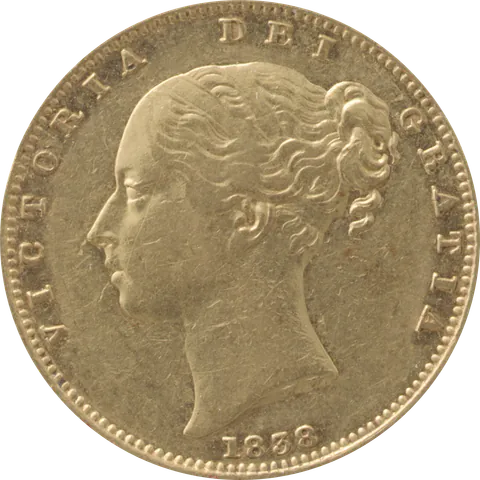
Victoria Gold Sovereign
1838–19010.2354 oz Au
$910.63Face value £1
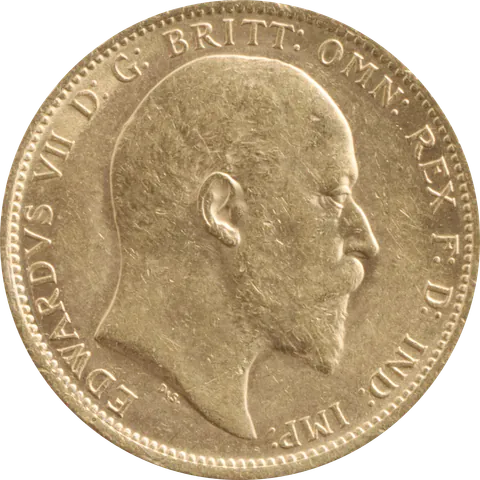
Edward VII Gold Sovereign
1902–19100.2354 oz Au
$910.63Face value £1
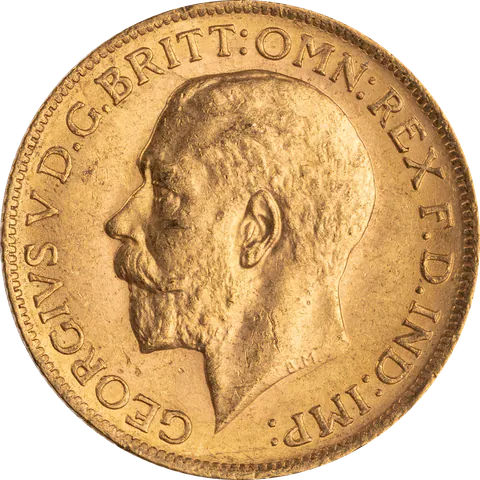
George V Gold Sovereign
1911–19320.2354 oz Au
$910.63Face value £1
Elizabeth II Gold Sovereign
1957–20220.2354 oz Au
$910.63Face value £1
Sources & methodologyNumista, Wikipedia
Specifications verified against
- Wikipedia: Sovereign (British coin)Struck since 1817; 7.98805 g; .917 gold; 0.2354 troy oz; George III, George IV and William IV designs
- Numista: 1 Sovereign - George III - United Kingdom1817–1820, gold .9167, 7.99 g, 22.05 mm, engraver Pistrucci
- Numista: 1 Sovereign - George IV - United Kingdom1825–1830, gold .9167, 7.99 g, engraver William Wyon
- Numista: 1 Sovereign - William IV - United Kingdom1831–1837, 7.99 g, gold; pure gold 7.3224 g; engraver Wyon
Method
Melt values are calculated from these specifications and the price of gold and the other metals in its alloy; no value is stored or copied from another site. See the methodology and data sources.