United Kingdom · 91.67% gold
Elizabeth II Gold Sovereign 1957–2022
Queen Elizabeth II's gold sovereigns, struck from 1957 to 2022 as bullion and collector coins with five portraits of the Queen.
Bullion sovereigns 1957–1959, 1962–1968, 1974–1982 and from 2000; proof sovereigns every year from 1979. The 1953 coronation sovereigns went only to museums.
Melt value today
$910.63
- Face value
- £1
- Gold content
- 0.2354 oz
- Gold spot
- $3,867.96 /oz
Live spot · Metals.dev
How this melt value is calculated
- 1. Gold in the coin7.9881 g × 0.9167 ÷ 31.1034768 = 0.2354 oz (7.323 g pure gold)
- 2. Gold price$3,867.96 per troy ounce
- 3. Melt value0.2354 oz × $3,867.96 = $910.63
Premium evaluator
Enter the price a dealer is asking to compare it with the melt value of $910.63 per coin.
Build a stack to total your gold and silver. Stored only in this browser.
About the Elizabeth II Gold Sovereign
In 1957 the Treasury resumed striking sovereigns, partly to defeat counterfeiters in the Middle East and Europe. Mary Gillick's portrait was used from 1957 to 1968; Arnold Machin's followed when production resumed in 1974.
From 1979 the sovereign was a bullion coin and a proof coin for collectors. Bullion striking was suspended after 1982, so Raphael Maklouf's portrait (1985–1997) is found on proofs only; bullion sovereigns returned in 2000 with Ian Rank-Broadley's portrait.
Jody Clark's portrait was introduced in 2015. Most dates carry Pistrucci's St George, with special reverses in some years such as the 2002 Golden Jubilee shield and the 2022 Platinum Jubilee.
Varieties
- Mary Gillick (1957–1968)First portrait; bullion issues.
- Arnold Machin (1974–1984)Bullion to 1982; proofs from 1979.
- Raphael Maklouf (1985–1997)Proof sovereigns only.
- Ian Rank-Broadley (1998–2015)Bullion again from 2000.
- Jody Clark (2015–2022)Fifth and final portrait.
How to identify it
- Obverse: Queen Elizabeth II facing right. Gillick (1957–1968) shows a young laureate head; Machin (1974–1984) a tiara; Maklouf (1985–1997) a diadem; Rank-Broadley (1998–2015) and Clark (2015–2022) older portraits.
- Reverse: usually St George on horseback slaying the dragon, with the date below.
- 22.05 mm across and about 7.99 g, with a milled edge. No denomination is written on the coin.
- A sovereign showing King Charles III is the later Charles III sovereign; the same weight and gold.
Quick identification & value
- How much gold is in this sovereign?
- 0.2354 troy ounce (7.32 g) of pure gold, in a coin weighing 7.988 g of 22-carat gold. Every sovereign since 1817 was struck to the same standard.
- Which Elizabeth II sovereigns are bullion and which are proofs?
- Bullion pieces were struck 1957–1959, 1962–1968, 1974–1982 and from 2000; proofs every year from 1979. Both have the same weight and fineness.
- Is melt value the same as collector value?
- No. Melt value is only the value of the gold. Scarce dates, mint marks and well-preserved examples can sell for much more to collectors, while a dealer buying for gold content may offer somewhat less than melt.
- Does circulation wear affect the value?
- Slightly. The figures here use the official weight when struck. Heavily worn coins have lost a little metal, so their real gold content is modestly lower — and wear usually matters far more to collector value.
Related coins and tools
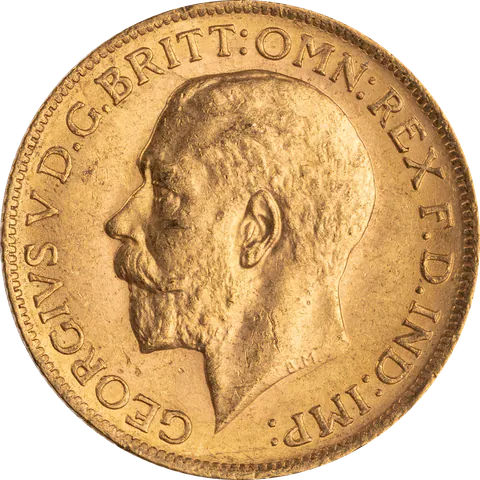
George V Gold Sovereign
1911–19320.2354 oz Au
$910.63Face value £1
Charles III Gold Sovereign
2022–present0.2354 oz Au
$910.63Face value £1
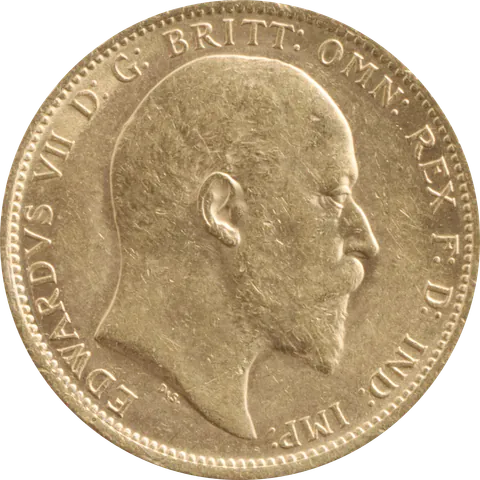
Edward VII Gold Sovereign
1902–19100.2354 oz Au
$910.63Face value £1
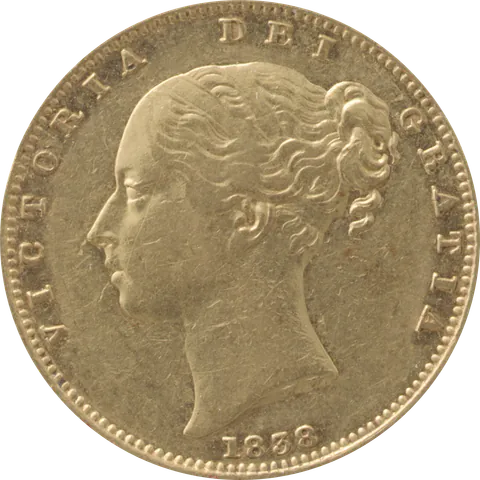
Victoria Gold Sovereign
1838–19010.2354 oz Au
$910.63Face value £1
Sources & methodologyThe Royal Mint, Numista, Wikipedia
Specifications verified against
- Wikipedia: Sovereign (British coin)Gillick 1957–1959 and 1962–1968; Machin from 1974; bullion and proof from 1979; Maklouf 1985–1997; Rank-Broadley 1998–2015; Clark from 2015
- Numista: 1 Sovereign - Elizabeth II (1st portrait) - United Kingdom1957–1968, gold .9167, 7.99 g, 22.05 mm, Mary Gillick obverse, Pistrucci reverse
- The Royal Mint: Elizabeth II Gillick Portrait Sovereign1957–1968 sovereign, 7.98 g, 22.05 mm
Method
Melt values are calculated from these specifications and the price of gold and the other metals in its alloy; no value is stored or copied from another site. See the methodology and data sources.
Image
No licensed photograph is used for this coin. The medallion shown is an illustration generated from the coin’s specifications.