 Obverse
 Reverse
United States · 90% gold
Classic Head Quarter Eagle 1837–1839
Classic Head quarter eagles dated 1837 to 1839 are United States $2.50 gold coins struck at .900 fineness under the Act of January 18, 1837.
Classic Head quarter eagles dated 1834–1836 were struck at .8992 fineness and have their own page.
Melt value today
$467.79
- Face value
- $2.50
- Worth
- 187× face
- Gold spot
- $3,867.96 /oz
Live spot · Metals.dev
gold $467.78 + copper (10%) $0.0056
How this melt value is calculated
- 1. Gold in the coin4.1795 g × 0.9 ÷ 31.1034768 = 0.1209 oz (3.762 g pure gold)Statutory weight 64.5 grains = 4.1795 g
- 2. Gold price$3,867.96 per troy ounce
- 3. Gold value0.1209 oz × $3,867.96 = $467.78
- 4. Copper value0.418 g ÷ 453.59237 g per lb × $6.07 = $0.0056
- 5. Melt value$467.78 + $0.0056 = $467.79
Premium evaluator
Enter the price a dealer is asking to compare it with the melt value of $467.79 per coin.
Build a stack to total your gold and silver. Stored only in this browser.
About the Classic Head Quarter Eagle
William Kneass's Classic Head design was introduced in 1834, when the Coinage Act of 1834 reduced the quarter eagle to 64.5 grains at .8992 fineness.
In 1837 the fineness was raised to exactly .900 without changing the weight, so Classic Head coins dated 1837–1839 hold slightly more gold than those of 1834–1836.
Gobrecht's Liberty Head replaced the design in 1840. Coins of 1838 and 1839 include the first quarter eagles from the Charlotte, Dahlonega and New Orleans mints.
How to identify it
- Obverse: Liberty facing left with long curly hair bound by a ribbon inscribed LIBERTY, surrounded by stars, with the date below.
- Reverse: an eagle with a shield and the value 2½ D., with no motto E PLURIBUS UNUM.
- 18.2 mm across and about 4.18 g. The date must be 1837, 1838 or 1839; Classic Head coins dated 1834–1836 are .8992 fine.
Quick identification & value
- How much gold is in a Classic Head quarter eagle dated 1837–1839?
- 0.12094 troy oz of pure gold: 4.18 g at 90% gold, 10% copper.
- Why does this page differ from the 1834–1836 Classic Head quarter eagle?
- The fineness rose from .8992 to .900 in 1837. The design is the same, so the date decides which standard a coin was struck to.
- Is melt value the same as collector value?
- No. Melt value is only the value of the gold. Scarce dates, mint marks and well-preserved examples can sell for much more to collectors, while a dealer buying for gold content may offer somewhat less than melt.
- Does circulation wear affect the value?
- Slightly. The figures here use the official weight when struck. Heavily worn coins have lost a little metal, so their real gold content is modestly lower — and wear usually matters far more to collector value.
Related coins and tools
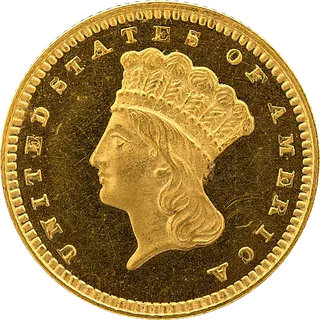
Indian Princess Gold Dollar
1854–18890.0484 oz Au
$187.14187× face value
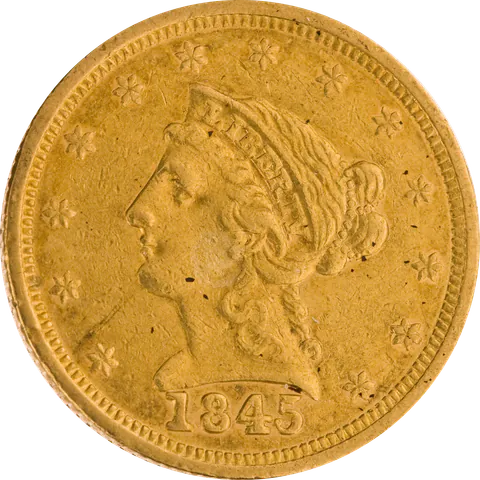
Liberty Head Quarter Eagle
1840–19070.1209 oz Au
$467.79187× face value
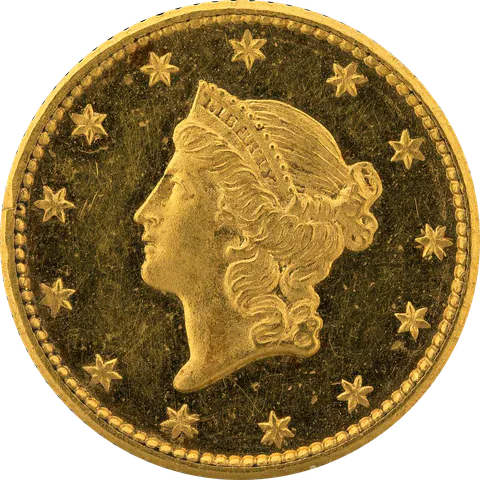
Liberty Head Gold Dollar
1849–18540.0484 oz Au
$187.14187× face value
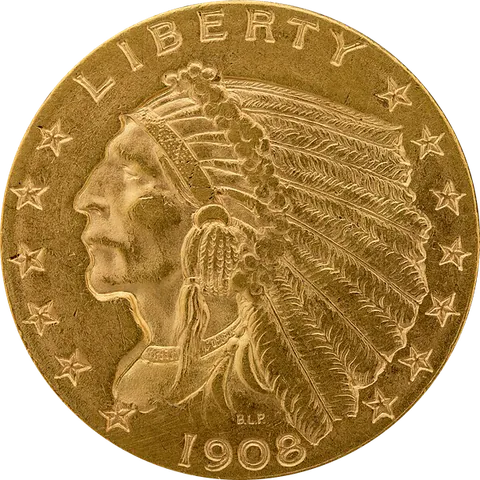
Indian Head Quarter Eagle
1908–19290.1209 oz Au
$467.79187× face value
Sources & methodologyNumista, Wikipedia
Specifications verified against
- Wikipedia: Quarter eagle4.18 g (1834–1929); 90% gold 1837–1929; Classic Head 1834–1839; Liberty Head 1840–1907; 18.2 mm (1829–1839), 18 mm (1840–1929)
- Numista: 2½ Dollars (Classic Head) - United States4.18 g, 18.20 mm; Act of June 28, 1834: .8992; Act of January 18, 1837: 58.05 grains pure gold, standard fineness .900; 0.121 oz
- Wikipedia: Classic HeadClassic Head quarter eagle produced 1834–1839
Method
Melt values are calculated from these specifications and the price of gold and the other metals in its alloy; no value is stored or copied from another site. See the methodology and data sources.
Image
- Obverse and reverse: American Numismatic Society, 1955.181.2 (Gold 2 1/2 Dollar, United States, 1838). Public domain. Source · Public domain
- Background removed and resized; otherwise unaltered.