Japan · 60% silver
Japanese 100 Yen, Tokyo Olympics 1964
The 1964 Tokyo Olympics 100 yen is a Japanese commemorative coin.
Regular 100 yen coins of 1957–1966 are listed by Wikipedia with the same weight and alloy, but only the 1964 Olympic issue was checked against a second catalogue.
Melt value today
$4.40
- Face value
- 100 yen
- Silver content
- 0.0926 oz
- Silver spot
- $47.26 /oz
Live spot · Metals.dev
silver $4.38 + copper (30%) $0.0193 + zinc (10%) $0.0018
How this melt value is calculated
- 1. Silver in the coin4.80 g × 0.6 ÷ 31.1034768 = 0.0926 oz (2.880 g pure silver)
- 2. Silver price$47.26 per troy ounce
- 3. Silver value0.0926 oz × $47.26 = $4.38
- 4. Copper value1.440 g ÷ 453.59237 g per lb × $6.07 = $0.0193
- 5. Zinc value0.480 g ÷ 453.59237 g per lb × $1.67 = $0.0018
- 6. Melt value$4.38 + $0.0193 + $0.0018 = $4.40
Premium evaluator
Enter the price a dealer is asking to compare it with the melt value of $4.40 per coin.
Build a stack to total your gold and silver. Stored only in this browser.
About the Japanese 100 Yen, Tokyo Olympics
Japan struck 100 yen coins in an alloy of 60% silver, 30% copper and 10% zinc from 1957. A commemorative version was struck for the 1964 Summer Olympics in Tokyo, with 80 million coins produced.
Rising silver prices in the mid-1960s ended the silver 100 yen; later 100 yen coins contain no silver.
How to identify it
- Dated Showa year 39 (1964) with an Olympic design; regular 100 yen coins of the same year show a sheaf of rice instead.
- Weight 4.8 g and diameter about 22.5 mm.
Quick identification & value
- How much silver is in the 1964 Olympic 100 yen?
- 0.0926 troy ounce (2.88 g) of pure silver, in a 4.8 g coin that is 60% silver.
- Is melt value the same as collector value?
- No. Melt value is only the value of the silver. Scarce dates, mint marks and well-preserved examples can sell for much more to collectors, while a dealer buying for silver content may offer somewhat less than melt.
- Does circulation wear affect the value?
- Slightly. The figures here use the official weight when struck. Heavily worn coins have lost a little metal, so their real silver content is modestly lower — and wear usually matters far more to collector value.
Related coins and tools
Japanese 1000 Yen, Tokyo Olympics
19640.5948 oz Ag
$28.13Face value 1,000 yen
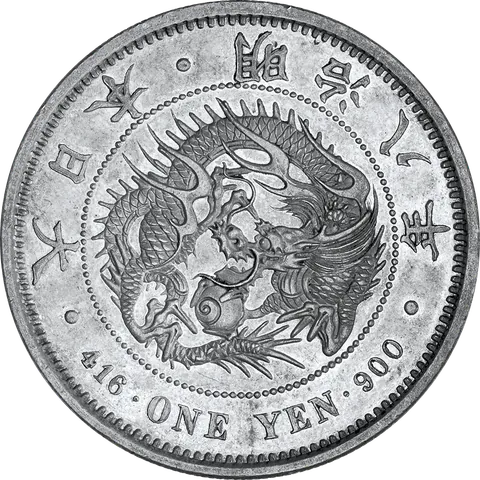
Japanese 1 Yen Silver
1874–19140.7801 oz Ag
$36.90Face value 1 yen
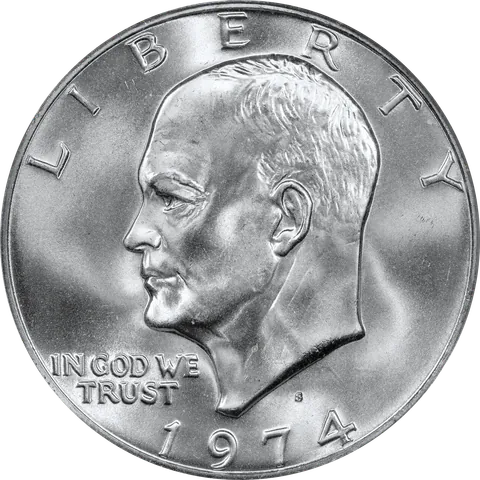
Eisenhower Dollar (40% Silver)
1971–19760.3162 oz Ag
$15.1415.1× face value
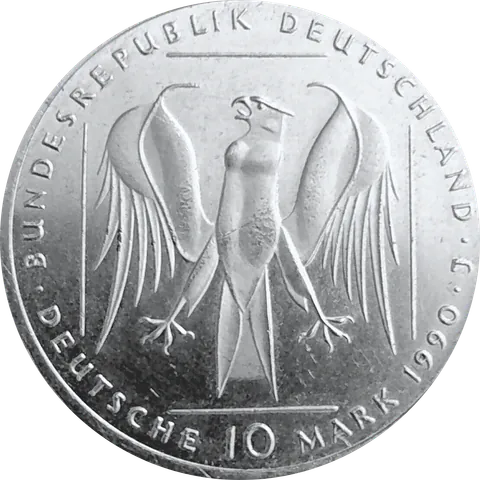
West German 10 Deutsche Mark Silver Commemorative
1972, 1987–19970.3115 oz Ag
$14.80Face value 10 DM
Sources & methodologyNGC, Numista, Wikipedia
Specifications verified against
- Wikipedia: 100 yen coin60% silver, 30% copper, 10% zinc; 4.8 g; 80,000,000 struck for the 1964 Olympics
- Numista: 100 Yen - Shōwa (Olympics) - JapanSilver .600, copper .300, zinc .100; 4.8 g; 22.5 mm
- NGC: Japan 100 Yen Y 79 Prices & ValuesASW 0.0926 oz
Method
Melt values are calculated from these specifications and the price of silver and the other metals in its alloy; no value is stored or copied from another site. See the methodology and data sources.
Image
No licensed photograph is used for this coin. The medallion shown is an illustration generated from the coin’s specifications.