 Obverse
 Reverse
United States · 90% silver
Barber Dime 1892–1916
A 90% silver dime designed by Charles E. Barber and issued from 1892 to 1916.
Melt value today
$3.42
- Face value
- $0.10
- Worth
- 34.2× face
- Silver spot
- $47.22 /oz
Live spot · Metals.dev
silver $3.42 + copper (10%) $0.0033
How this melt value is calculated
- 1. Silver in the coin2.50 g × 0.9 ÷ 31.1034768 = 0.0723 oz (2.250 g pure silver)
- 2. Silver price$47.22 per troy ounce
- 3. Silver value0.0723 oz × $47.22 = $3.42
- 4. Copper value0.250 g ÷ 453.59237 g per lb × $6.08 = $0.0033
- 5. Melt value$3.42 + $0.0033 = $3.42
Premium evaluator
Enter the price a dealer is asking to compare it with the melt value of $3.42 per coin.
Build a stack to total your gold and silver. Stored only in this browser.
About the Barber Dime
Charles E. Barber, Chief Engraver of the U.S. Mint, designed the dime, quarter and half dollar introduced in 1892. All three share the same Liberty head and are collectively known as Barber coinage.
Coins of this age have usually seen long circulation. Wear removes a little metal, so a well-worn coin contains slightly less silver than the as-struck figure used here.
How to identify it
- Dated 1892–1916.
- The mint mark (D, O or S) is on the reverse beneath the wreath. Philadelphia coins have no mint mark.
Quick identification & value
- Are Barber dimes silver?
- Yes. Every Barber dime, 1892 through 1916, is 90% silver and 10% copper.
- How much silver is in a Barber Dime?
- 0.0723 troy ounces of pure silver when struck: 2.50 grams × 0.9 fineness ÷ 31.1034768 grams per troy ounce.
- Is melt value the same as collector value?
- No. Melt value is only the value of the silver. Scarce dates, mint marks and well-preserved examples can sell for much more to collectors, while a dealer buying for silver content may offer somewhat less than melt.
- Does circulation wear affect the value?
- Slightly. The figures here use the official weight when struck. Heavily worn coins have lost a little metal, so their real silver content is modestly lower — and wear usually matters far more to collector value.
Related coins and tools
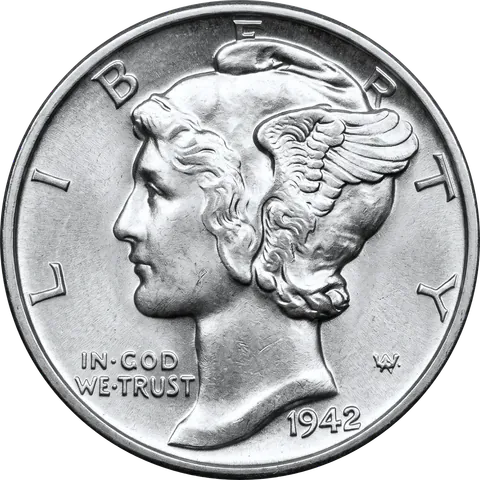
Mercury Dime
1916–19450.0723 oz Ag
$3.4234.2× face value
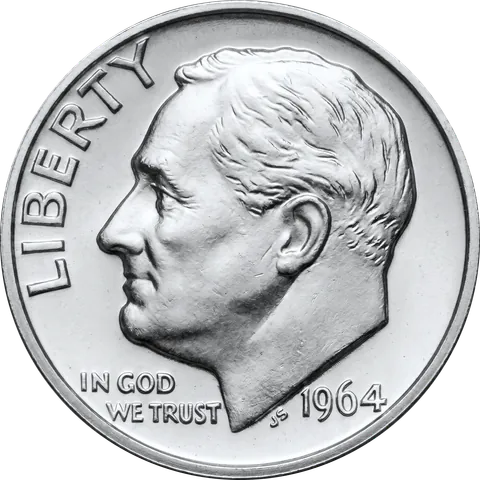
Roosevelt Dime
1946–19640.0723 oz Ag
$3.4234.2× face value
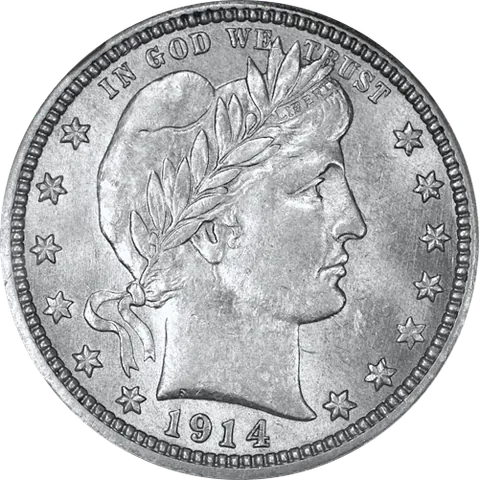
Barber Quarter
1892–19160.1808 oz Ag
$8.5534.2× face value
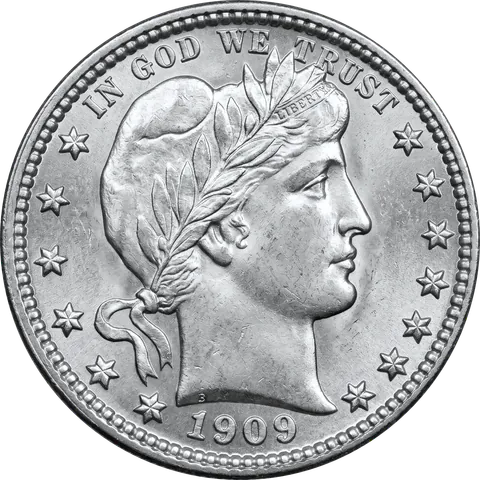
Barber Half Dollar
1892–19150.3617 oz Ag
$17.0934.2× face value
Sources & methodologyNGC, Wikipedia
Specifications verified against
- NGC: Barber Dime melt value and specificationsWeight, composition and actual silver weight
- Wikipedia: Barber coinageYears struck, weight 2.500 g, composition, mint mark location
Method
Melt values are calculated from these specifications and the price of silver and the other metals in its alloy; no value is stored or copied from another site. See the methodology and data sources.
Image
- Obverse and reverse: National Numismatic Collection, National Museum of American History (Smithsonian). Photo: Jaclyn Nash. Public domain, via Wikimedia Commons. Source · Public domain
- Background removed and resized, and its colour evened to a neutral silver tone; otherwise unaltered.